
Home improvement projects often involve significant planning, budgeting, and timing. For homeowners considering both roof replacement and solar installation, completing these projects separately can increase costs and complexity. Bundling roofing and solar has become an increasingly practical option for cost-conscious homeowners seeking efficiency and long-term value.
This guide explains how bundle roof and solar savings work in real terms. From reduced labor costs to financing bundles and tax incentives, combining roofing and solar installation can offer measurable financial advantages when planned correctly.
Understanding Roofing and Solar Bundling
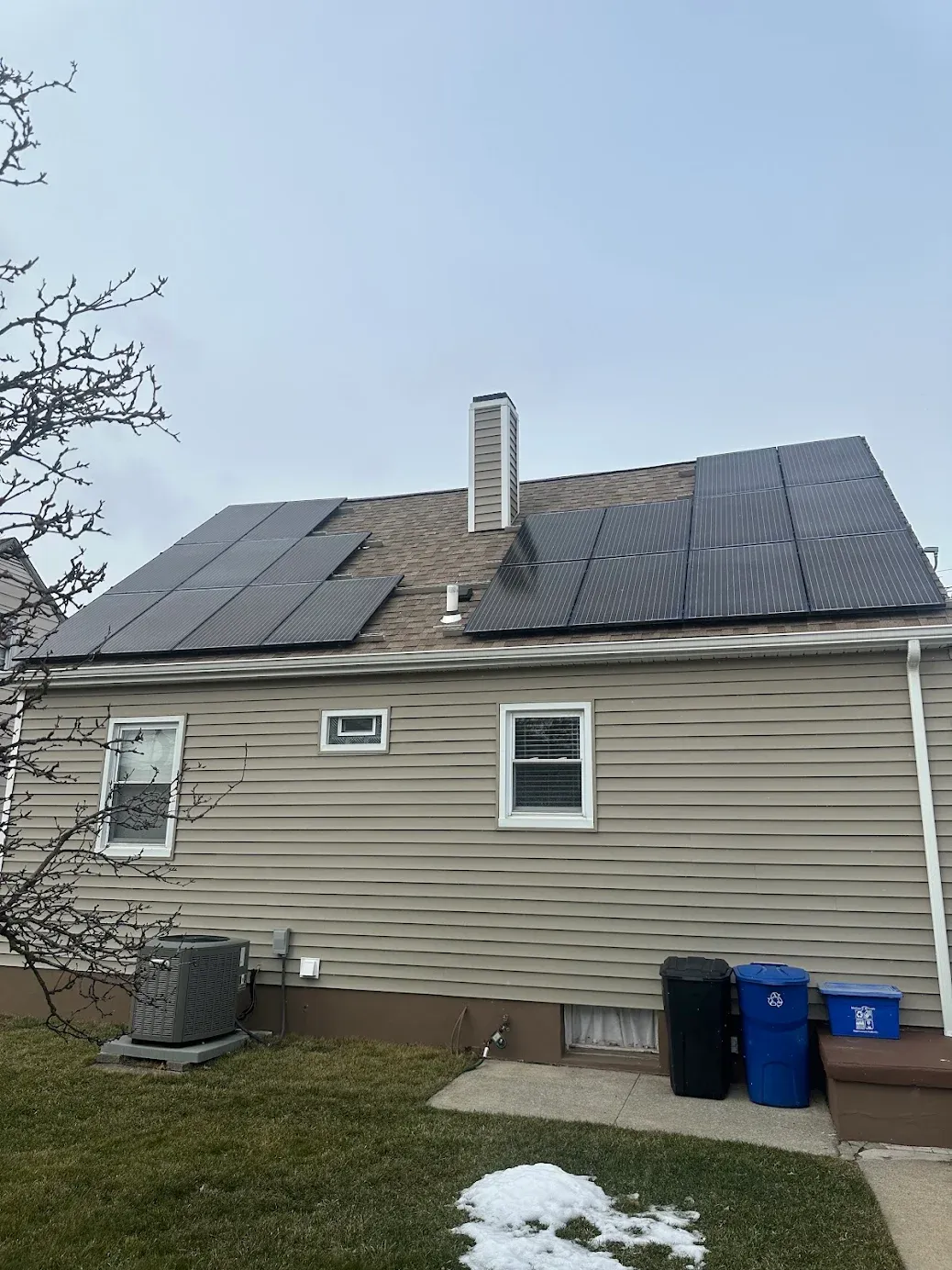
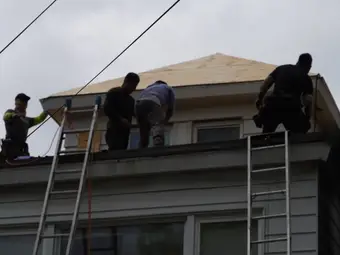
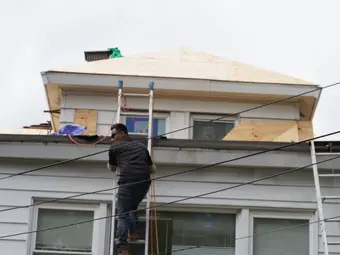
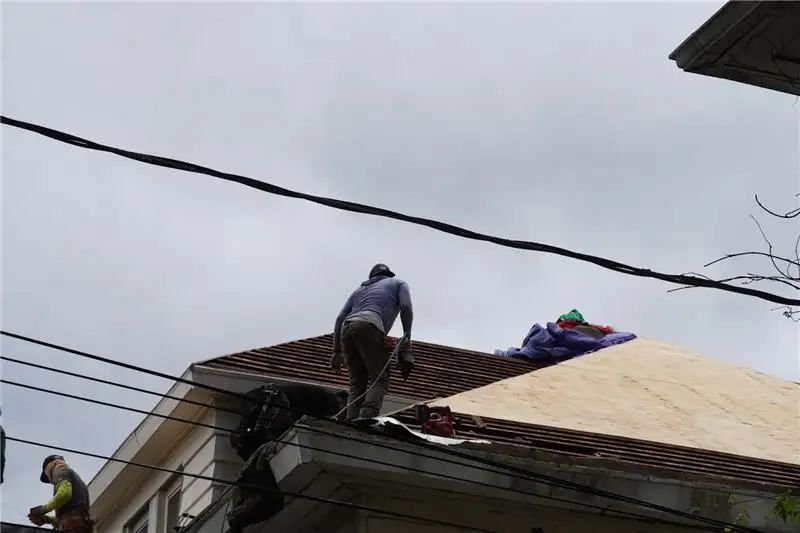
Bundling roofing and solar refers to completing roof work and solar installation as a coordinated project rather than two separate undertakings. Because solar panels are mounted directly onto the roof, these systems are closely connected in both installation and performance.
When projects are planned together, homeowners can reduce redundant labor, streamline permitting, and align system lifespans. These efficiencies contribute directly to overall cost savings.
Why Cost-Conscious Homeowners Choose Bundled Installation
Replacing a roof and installing solar panels are both long-term investments. Doing them independently often leads to overlapping costs that could be avoided with integrated planning.
Bundled projects help homeowners:
- Reduce total installation expenses
- Avoid future panel removal costs
- Simplify scheduling and inspections
- Improve long-term system value
Understanding where these savings come from helps homeowners make informed financial decisions.
5 Ways Bundling Roofing and Solar Saves You Money
1. Lower Labor and Installation Costs
Eliminating Duplicate Work
One of the most immediate benefits of bundling roofing and solar is reduced labor costs. When projects are handled separately, homeowners pay twice for certain tasks such as setup, site preparation, and inspections.
Bundled installation allows crews to coordinate efforts, eliminating duplicate work and lowering overall labor expenses.
Streamlined Installation Timelines
Completing roofing work first and solar installation immediately afterward reduces downtime between projects. Shorter timelines often translate into lower labor charges and fewer scheduling delays.
2. Reduced Permitting and Inspection Fees
Combined Permitting Processes
Permits and inspections are required for both roofing and solar projects. When completed separately, each project may require its own application, review, and inspection fees.
Bundling projects often allows for coordinated permitting, reducing administrative costs and processing time.
Fewer Site Visits
Inspectors may be able to review roofing and solar components during the same visit, reducing the number of inspections required. This efficiency contributes to overall cost savings.
3. Access to Financing Bundles
Simplified Financing Options
Financing bundles allow homeowners to combine roofing and solar costs into a single loan or payment plan. Managing one financing agreement is often more convenient than coordinating multiple payments.
Bundled financing can improve cash flow predictability and reduce administrative complexity.
Potential for Better Loan Terms
In some cases, bundled projects may qualify for financing programs designed for energy efficiency or home improvement upgrades. These programs may offer competitive terms compared to separate loans.
4. Maximizing Available Tax Incentives
Solar Tax Credits
Solar installations often qualify for federal, state, or local tax incentives. While roofing alone typically does not qualify, certain roofing components directly related to solar installation may be eligible when part of a combined project.
Understanding how tax incentives apply to bundled projects can help homeowners maximize savings.
Documentation and Compliance Benefits
Completing projects together simplifies record keeping and documentation required for tax filings. Accurate documentation ensures homeowners can properly claim eligible incentives without complications.
5. Long-Term Cost Savings and Added Value
Avoiding Future Solar Panel Removal Costs
If a roof needs replacement after solar installation, panels must be removed and reinstalled. Bundling roofing and solar upfront eliminates this future expense.
Avoiding panel removal protects the solar system from unnecessary handling and reduces labor costs later.
Improved Property Value
Homes with integrated roofing and solar systems are often viewed as well-maintained and energy-efficient. Properly planned installations can contribute to stronger resale value and buyer confidence.
Comparing Bundled vs Separate Installation Costs
Separate Projects
- Two sets of labor costs
- Separate permits and inspections
- Potential solar removal costs later
- Increased administrative effort
Bundled Projects
- Coordinated labor and scheduling
- Reduced permitting and inspection fees
- Lower long-term maintenance costs
- Improved system alignment
For many homeowners, bundled installation provides clearer financial advantages.
Roof and Solar Lifespan Alignment
Solar panels typically last 25 to 30 years, while roofing materials vary in lifespan. Bundling projects allows homeowners to align roof longevity with solar lifespan.
This alignment reduces the risk of roof failure disrupting solar performance and ensures both systems reach their intended service life together.
Installation Risk Reduction Through Bundling
Fewer Structural Disruptions
Bundled projects reduce the number of times the roof is accessed, penetrated, or modified. Fewer disruptions lower the risk of leaks or structural damage.
Improved Mounting Accuracy
When roofing and solar teams coordinate, mounting systems can be installed with greater precision. This improves waterproofing and long-term stability.
Planning a Cost-Effective Bundled Project
Step 1: Roof Condition Assessment
An inspection determines whether the roof should be repaired or replaced before solar installation. Regular roof inspections and maintenance help identify issues early.
Step 2: Budget and Financing Review
Understanding total project costs helps homeowners choose appropriate financing bundles and payment plans.
Step 3: Incentive and Rebate Research
Homeowners should review available tax incentives and rebates to maximize savings.
Step 4: Coordinated Installation Plan
A unified plan ensures roofing work and solar installation proceed efficiently with minimal disruption.
For homeowners exploring integrated options, providers such as Koi Roofing & Solar can help evaluate how bundled projects affect installation planning and long-term costs. Professional roof and solar maintenance ensures both systems continue performing efficiently. Regular solar maintenance helps maximize energy production.
Common Misconceptions About Bundling Roofing and Solar
Bundling Is Always More Expensive Upfront
While bundled projects may appear more expensive initially, long-term savings often offset higher upfront costs.
Roofing Must Always Be Replaced
Not every bundled project requires full roof replacement. Some roofs may only need minor repairs to support solar installation.
Incentives Automatically Apply
Tax incentives vary by location and eligibility requirements. Homeowners should confirm qualification before planning budgets.
Final Thoughts on Bundling Roofing and Solar
Bundling roofing and solar is not about cutting corners but about thoughtful planning. By reducing labor costs, simplifying financing, and avoiding future expenses, homeowners can achieve meaningful savings through coordinated installation.
For cost-conscious homeowners, understanding how bundle roof and solar savings work helps ensure smarter decisions, lower long-term costs, and better overall system performance.