Investing in a roof and solar system is a long-term decision that affects your home’s safety, energy efficiency, and financial returns. While modern roofing materials and solar panels are designed to last for decades, their performance and lifespan depend heavily on ongoing care. Without proper attention, small issues can turn into costly repairs or premature system failure.
This guide covers practical, professional roof and solar maintenance tips that help homeowners protect their investment. From routine inspections to seasonal care and warranty protection, these best practices focus on prevention rather than repair. Whether your system is newly installed or several years old, regular maintenance plays a critical role in maintaining efficiency, safety, and longevity.
Why Roof and Solar Maintenance Matters
Roofing and solar systems work together as a single structure. The roof protects your home from external elements, while solar panels rely on that same structure for stability and weather resistance. Neglecting either component can compromise the entire system.
Proper roof and solar maintenance helps homeowners:
- Extend the lifespan of roofing materials and solar panels
- Maintain consistent energy production
- Identify issues before they become expensive repairs
- Preserve manufacturer and installation warranties
- Protect the structural integrity of the property
A proactive approach reduces long-term costs and ensures the system continues to perform as intended.
Understanding the Lifespan of Roof and Solar Systems
Average Roof Lifespan
Roof longevity varies based on material, installation quality, and climate conditions.
- Asphalt shingles typically last 20 to 30 years
- Metal roofing can last 40 to 70 years
- Tile and slate roofs may last over 50 years with proper care
Routine roof inspections and maintenance significantly influence these timelines.
Average Solar Panel Lifespan
Solar panels generally last 25 to 30 years, but their efficiency slowly declines over time. Most panels degrade at a rate of about 0.5 percent per year. Proper solar panel cleaning and monitoring can help maintain optimal performance throughout their lifespan.
How Roof and Solar Systems Affect Each Other
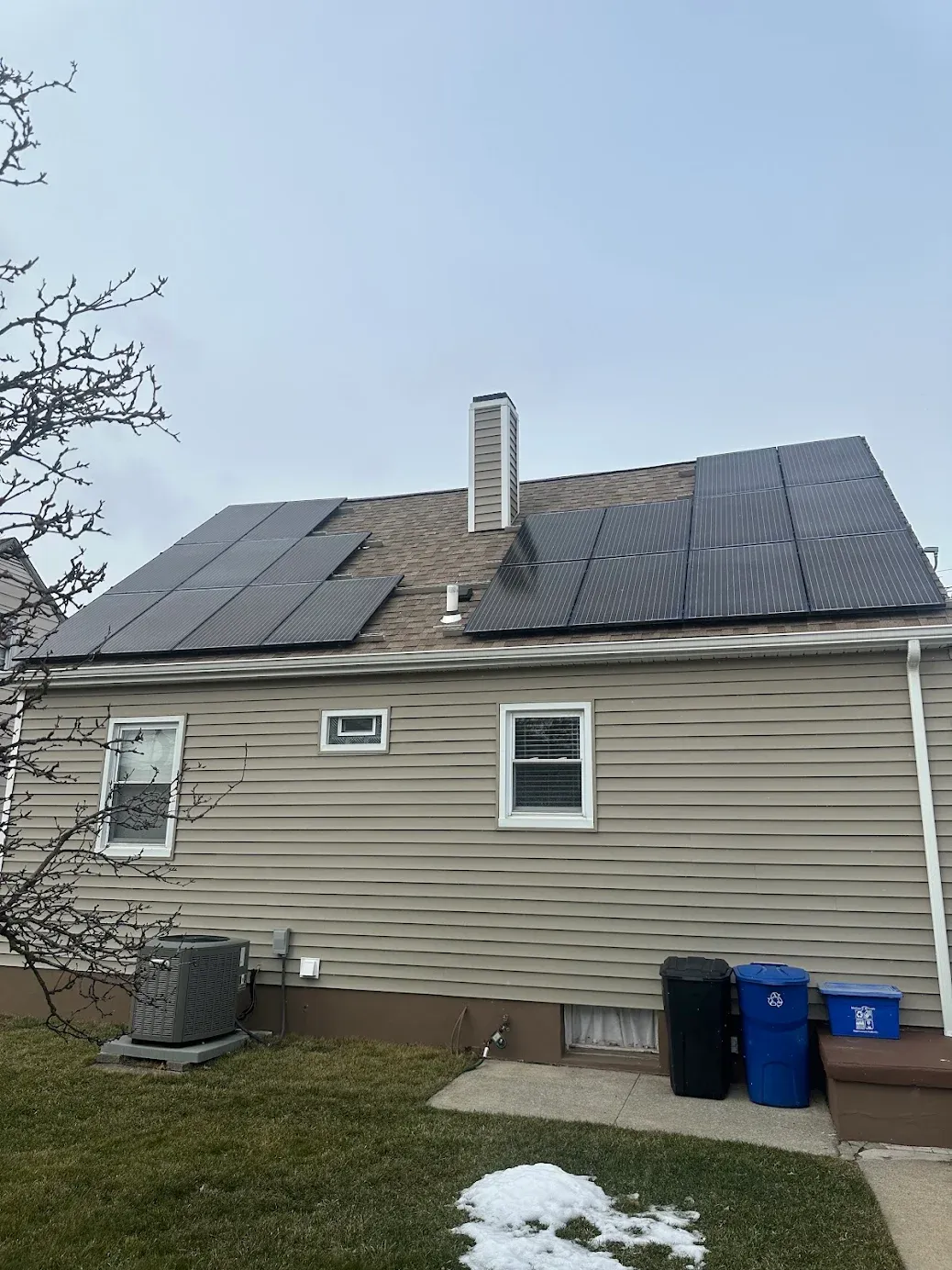
Solar panels are mounted directly onto the roof structure. If the roof deteriorates, it can affect panel alignment, mounting security, and waterproofing. Similarly, poorly maintained solar systems can create roof vulnerabilities around penetrations and mounting points.
Coordinated maintenance ensures both systems remain structurally sound and weather resistant.
Top 10 Roof and Solar Maintenance Tips
1. Schedule Regular Roof Inspections
Routine roof inspections help identify early signs of damage, including cracked shingles, loose flashing, or water intrusion. Homeowners should schedule professional inspections at least once per year and after severe weather events.
Early detection prevents moisture damage that could compromise both roofing materials and solar mounting hardware.
2. Keep Solar Panels Clean
Solar panel cleaning is essential for maintaining energy efficiency. Dust, pollen, bird droppings, and debris can block sunlight and reduce power output.
Panels should be cleaned one to two times per year depending on environmental conditions. Cleaning should be done using appropriate methods that do not scratch glass surfaces or damage seals.
3. Monitor Energy Output Consistently
Tracking system performance helps identify efficiency drops that may signal a problem. Sudden or gradual declines in output could indicate dirty panels, shading issues, or electrical faults.
Monitoring systems or regular utility bill comparisons provide valuable insights into system health.
4. Inspect Mounting Hardware and Flashing
Solar panel mounts penetrate the roof and rely on flashing to prevent water intrusion. Over time, flashing can loosen or degrade due to temperature changes and weather exposure.
Regular inspections ensure all mounting components remain secure and watertight, reducing the risk of leaks.
5. Trim Overhanging Trees and Vegetation
Trees near the roof can drop leaves and branches that collect moisture and debris. Overhanging limbs can also shade solar panels, reducing efficiency.
Maintaining adequate clearance improves airflow, reduces debris buildup, and minimizes storm damage risk.
6. Address Roof Repairs Promptly
Minor roof issues such as cracked shingles or loose tiles should be repaired immediately. Delaying repairs allows water to penetrate beneath roofing layers, potentially affecting insulation and solar mounts.
Timely repairs help preserve the roof’s integrity and avoid more extensive damage.
7. Follow Seasonal Care Best Practices
Seasonal care plays a significant role in roof and solar maintenance.
Spring and Summer Maintenance
- Remove accumulated debris
- Inspect for storm damage
- Clean solar panels for maximum sunlight exposure
Fall and Winter Maintenance
- Clear gutters to prevent ice dams
- Check flashing and seals
- Monitor snow accumulation where applicable
Adapting maintenance routines to seasonal conditions reduces wear and tear.
8. Protect Your Warranty Coverage
Most roofing and solar manufacturers require documented maintenance to keep warranties valid. Skipping inspections or using improper cleaning methods may void coverage.
Homeowners should keep maintenance records and ensure work complies with manufacturer guidelines.
9. Check Electrical Components Safely
Solar systems include inverters, wiring, and disconnects that should be inspected periodically. Signs such as error codes, unusual noises, or visible wear require professional assessment.
Electrical inspections should always be handled by qualified technicians to ensure safety and compliance.
10. Work With Qualified Roofing and Solar Professionals
Coordinated service from professionals familiar with both roofing and solar systems ensures proper care without causing unintended damage. A provider experienced in integrated systems understands how maintenance decisions affect overall performance.
Common Roof and Solar Maintenance Mistakes to Avoid
Many system issues result from avoidable mistakes rather than material failure.
Ignoring Small Problems
Minor leaks or efficiency drops often signal larger underlying issues. Addressing concerns early prevents costly structural damage.
Using Improper Cleaning Methods
Harsh chemicals, abrasive tools, or high-pressure washing can damage solar panels and roofing materials. Always follow recommended cleaning practices.
Skipping Professional Inspections
While visual checks are helpful, professional inspections detect hidden issues that homeowners may miss, particularly around flashing and mounting points.
How Climate Impacts Maintenance Needs
Environmental conditions significantly affect maintenance requirements.
Hot and Sunny Climates
- Increased dust accumulation
- Higher thermal expansion stress
- More frequent solar panel cleaning
Coastal Areas
- Salt corrosion on metal components
- Increased moisture exposure
- More frequent inspections recommended
Cold and Snowy Regions
- Snow load stress on panels and mounts
- Ice dam formation risks
- Seasonal roof inspections are critical
Understanding local climate challenges allows homeowners to tailor maintenance plans accordingly.
Maintenance Planning for Older Systems
As systems age, maintenance becomes more important. Older roofs supporting solar panels require careful assessment to determine remaining lifespan.
Homeowners may need to consider roof repairs or replacement before major solar upgrades. Proactive planning avoids costly panel removal and reinstallation later.
The Role of Preventive Maintenance in Cost Savings
Preventive care reduces the likelihood of emergency repairs and system downtime. Regular inspections and cleaning cost significantly less than structural repairs or panel replacement.
Over the system’s lifetime, consistent maintenance helps homeowners maximize return on investment while maintaining safety and efficiency.
Final Thoughts on Roof and Solar Maintenance
Roof and solar maintenance tips are not about constant repairs but about consistent care. A well-maintained system performs better, lasts longer, and protects the structure beneath it. By scheduling regular inspections, keeping panels clean, and addressing issues early, homeowners can safeguard their investment for decades.
For homeowners working with integrated roofing and solar systems, guidance from experienced providers such as Koi Roofing & Solar can help ensure maintenance practices align with system design and warranty requirements. Preventive maintenance ensures that roofing materials and solar systems continue working together efficiently, providing reliable protection and energy generation over the long term.