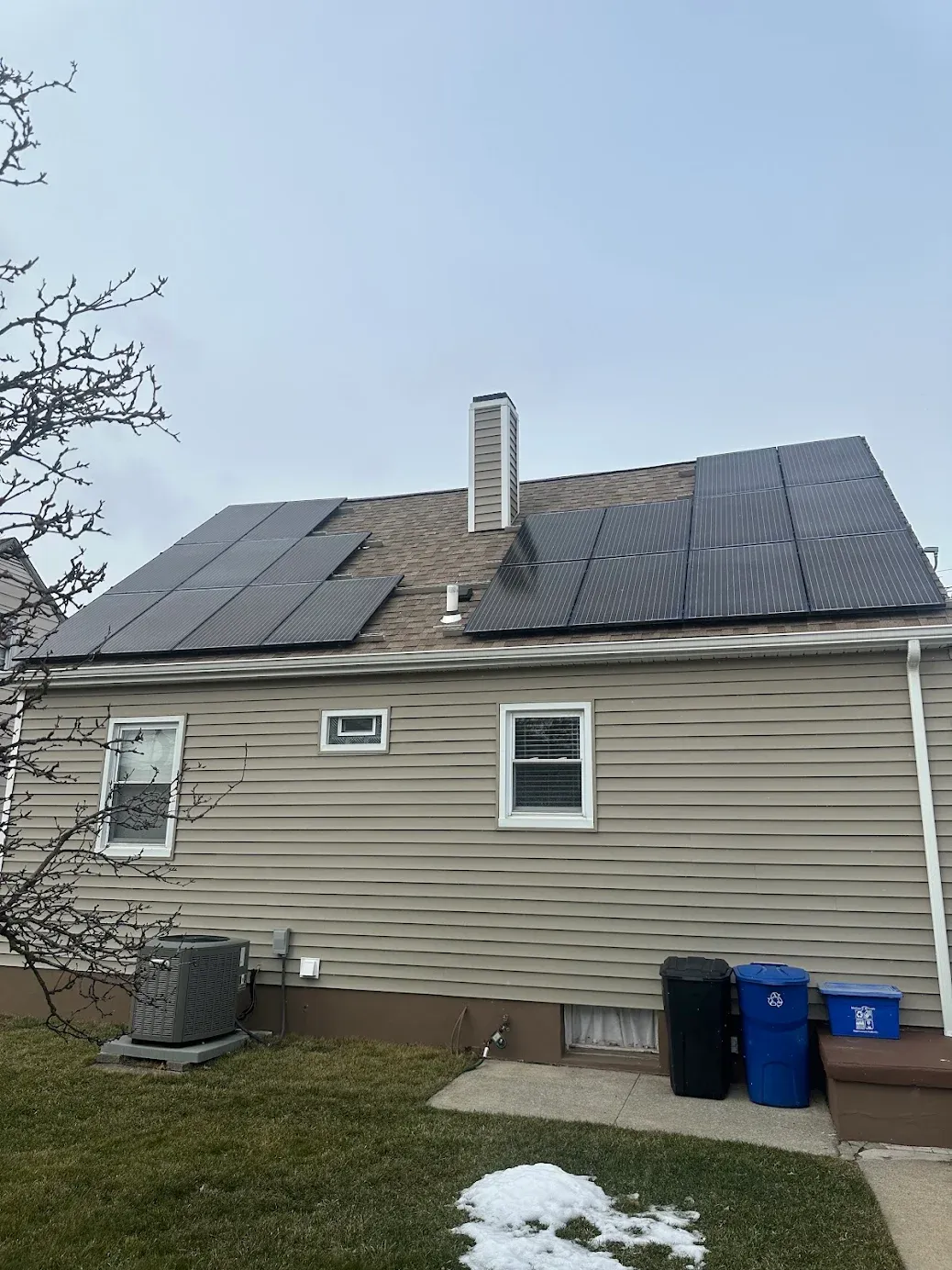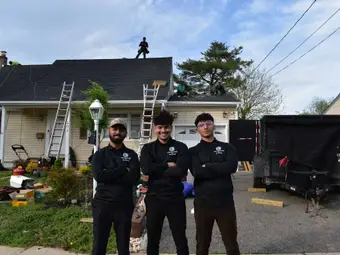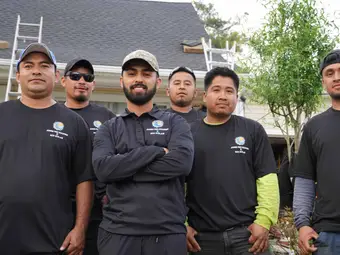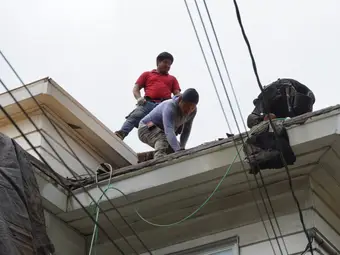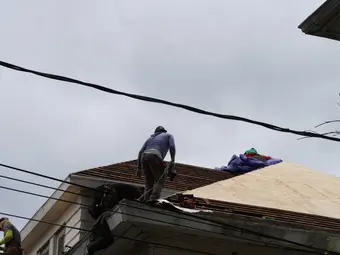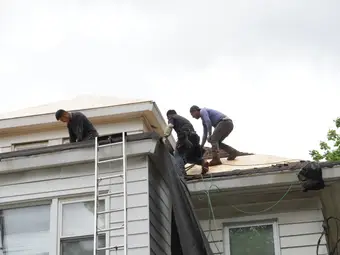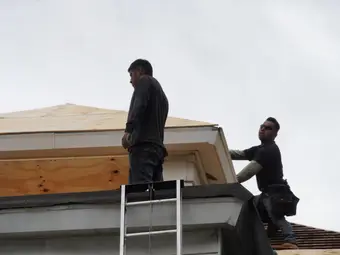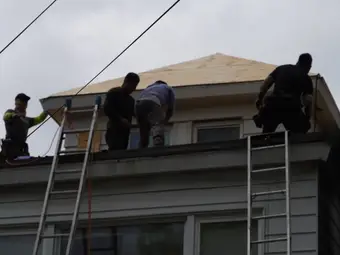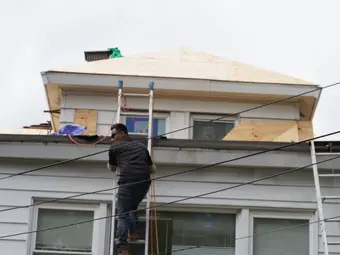
Installing solar panels is a major investment that can provide long-term energy savings and environmental benefits. However, one critical factor is often overlooked during the planning phase: the condition of the roof. Since solar panels are designed to last 25 years or more, installing them on an aging or compromised roof can lead to unnecessary complications, additional costs, and system downtime.
For homeowners planning solar, understanding why roof readiness matters is essential. Replacing your roof before solar installation is not always required, but in many cases, it is a practical and financially sound decision. This guide explains how roof condition affects solar lifespan, installation risk, and overall cost efficiency, helping homeowners make informed decisions about integrated roof and solar projects.
Understanding Roof and Solar Integration
Roof and solar systems are physically and structurally connected. Solar panels are mounted directly onto the roof surface, relying on its strength, stability, and weather resistance. Once installed, panels are not easily removed without added labor and expense.
This integration means the roof must be capable of supporting the solar system for its entire lifespan. If the roof fails prematurely, the solar system may need to be temporarily removed, disrupting energy production and increasing costs.
Why Roof Condition Matters Before Solar Installation
Solar Panels Outlast Many Roofs
Most modern solar panels are engineered to last between 25 and 30 years. In contrast, many roofing materials have shorter lifespans.
- Asphalt shingle roofs often last 20 to 30 years
- Older roofs may have less than 10 years of service life remaining
- Structural wear is not always visible from the surface
Installing solar on a roof nearing the end of its lifespan creates a mismatch between system longevity and roof durability.
Solar Panels Are Difficult to Remove and Reinstall
Removing solar panels is not a simple task. It requires specialized labor, system shutdowns, and careful handling to avoid damage. If roof replacement becomes necessary after solar installation, homeowners must pay for panel removal, storage, and reinstallation.
Planning roof replacement before solar installation avoids these future disruptions.
Roof Readiness: What It Means and Why It Matters
Roof readiness refers to the roof’s ability to safely support solar panels for decades without structural or waterproofing issues.
Key Elements of Roof Readiness
- Adequate remaining lifespan
- Structural integrity of decking and framing
- Proper slope and orientation
- Weather-resistant materials and flashing
A roof that meets these criteria reduces installation risk and protects both systems over time.
Common Risks of Installing Solar on an Aging Roof
Increased Risk of Leaks
Solar mounting requires roof penetrations. While flashing systems are designed to prevent leaks, older roofing materials may not seal effectively around mounting hardware.
As roofing materials degrade, the risk of moisture intrusion increases, potentially damaging insulation, ceilings, and electrical components.
Structural Stress on Weak Roofs
Solar panels add weight to the roof structure. While this weight is typically within building code limits, roofs with existing structural weaknesses may struggle to support the added load over time.
Replacing or reinforcing the roof beforehand ensures safe load distribution.
Shortened Solar Lifespan Due to Roof Failure
If a roof fails before the solar system reaches its expected lifespan, the solar installation becomes vulnerable. Panel removal exposes wiring and mounts to potential damage, reducing long-term system reliability.
Cost Efficiency of Replacing Your Roof Before Going Solar
Avoiding Double Labor Costs
One of the strongest arguments for roof replacement before solar installation is cost efficiency. Completing both projects together avoids paying twice for labor related to panel handling.
Removing and reinstalling solar panels can add thousands to overall project costs.
Coordinated Project Planning Saves Money
When roof and solar work are planned together, installation timelines can be streamlined. This coordination reduces delays, minimizes redundant inspections, and simplifies permitting processes.
Integrated planning often leads to better long-term value.
How Roof Type Affects Solar Installation Decisions
Asphalt Shingle Roofs
Asphalt shingles are common but have a limited lifespan. If shingles are more than 10 to 15 years old, replacement before solar installation is often recommended.
Metal Roofs
Metal roofs typically last longer and are often well-suited for solar installation. Standing seam metal roofs may allow panel mounting without roof penetrations, reducing leak risk.
Tile and Slate Roofs
Tile and slate roofs are durable but fragile. Solar installation requires careful handling, and repairs after installation can be complex. Roof condition assessment is critical before proceeding.
Aligning Roof Lifespan With Solar Lifespan
Solar panels are long-term assets. Installing them on a roof that may need replacement within a decade creates misalignment between system timelines.
Aligning roof lifespan with solar lifespan helps homeowners:
- Avoid premature system disruption
- Maintain continuous energy production
- Protect installation warranties
This alignment supports better long-term planning.
Installation Risk and Warranty Considerations
Roof Warranties
Roof warranties may be voided if solar installation is performed on deteriorating materials or without proper preparation. Replacing the roof first ensures compliance with manufacturer requirements.
Solar Installation Warranties
Solar warranties often assume stable mounting surfaces. Roof movement or failure can impact mounting integrity, potentially affecting warranty claims.
Proper roof readiness helps protect both roofing and solar warranties.
Signs Your Roof Should Be Replaced Before Solar Installation
Homeowners planning solar should consider roof replacement if they notice:
- Curling, cracked, or missing shingles
- Visible sagging or uneven roof lines
- Water stains or attic moisture
- Roof age exceeding 15 to 20 years
- Previous repairs that indicate recurring issues
A professional inspection provides clarity on remaining roof life.
The Role of Professional Roof and Solar Assessments
Before proceeding with solar installation, a combined assessment helps identify risks and opportunities.
Qualified professionals evaluate:
- Structural load capacity
- Roof material condition
- Mounting compatibility
- Long-term performance expectations
For homeowners seeking integrated expertise, providers such as Koi Roofing & Solar offer insight into how roofing conditions affect solar installation outcomes.
Planning a Combined Roof and Solar Project
Step 1: Roof Inspection and Evaluation
A detailed inspection determines whether the roof can support solar panels for the full system lifespan.
Step 2: Roof Replacement or Repair Decision
Based on inspection results, homeowners can decide whether full replacement, partial repair, or reinforcement is necessary.
Step 3: Solar System Design Alignment
Solar system layout should account for roof type, slope, and future maintenance access.
Step 4: Coordinated Installation Timeline
Completing roofing work before solar installation reduces risks and simplifies execution.
Environmental and Practical Benefits of Proper Planning
Replacing the roof before solar installation is not only practical but also environmentally responsible. Avoiding unnecessary panel removal reduces material waste and energy consumption associated with repeated labor.
Well-planned projects also reduce disruptions to daily life and minimize system downtime.
Long-Term Value of Roof and Solar Integration
When roof and solar systems are planned together, homeowners benefit from:
- Improved system durability
- Lower long-term maintenance costs
- Fewer unexpected repairs
- Better resale value
Buyers often view integrated, well-maintained systems as a positive feature rather than a liability.
Final Thoughts on Replacing Your Roof Before Going Solar
Replacing your roof before solar installation is not about unnecessary upgrades but about long-term planning. A roof that is structurally sound and aligned with solar lifespan reduces installation risk, protects warranties, and improves cost efficiency.
For homeowners planning solar, evaluating roof readiness early helps avoid future disruptions and ensures both systems work together reliably for decades. Thoughtful roof and solar integration supports safer installations, stronger performance, and better long-term value.